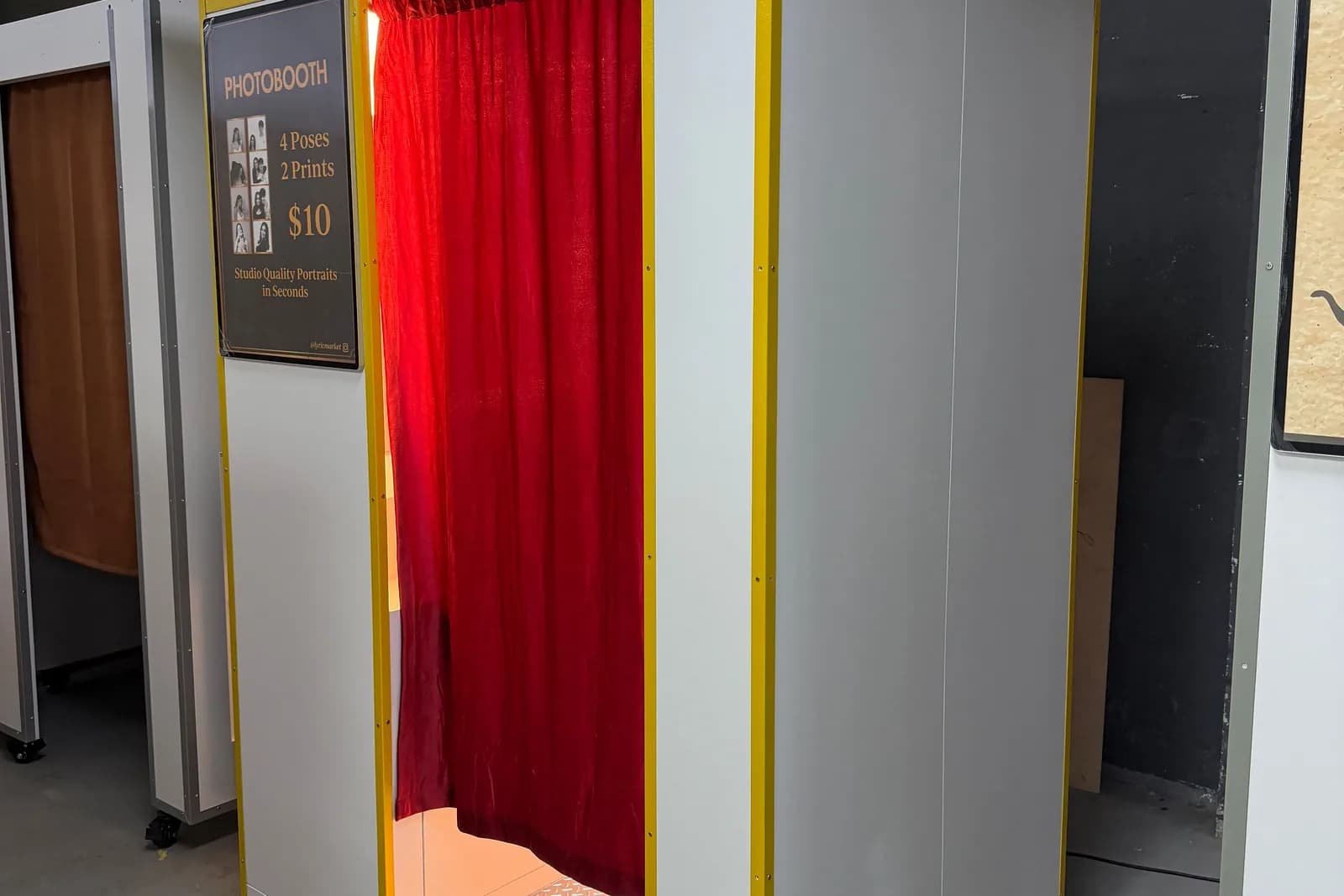
Photo Booth ROI: How Long Until It Pays for Itself
The formula for photo booth ROI and payback, with a worked example. See which numbers matter most: sessions, price, venue share and running costs.
Read article →
Chalkak Studio
By the Chalkak Studio team · 29 September 2026
Ask anyone who runs photo booths what matters most and you will hear the same answer: location. The same machine can be your best earner in one spot and barely pay for its paper in another. This guide covers how to choose a location, what to check before you sign anything, and how the two common deals with venues, fixed rent and revenue share, compare.
We are not writing this from the outside. Alongside selling Korean photobooths to businesses in 30+ countries, we run our own unattended Raon booths in venues across Singapore. Much of what follows comes from placing and operating those booths ourselves.
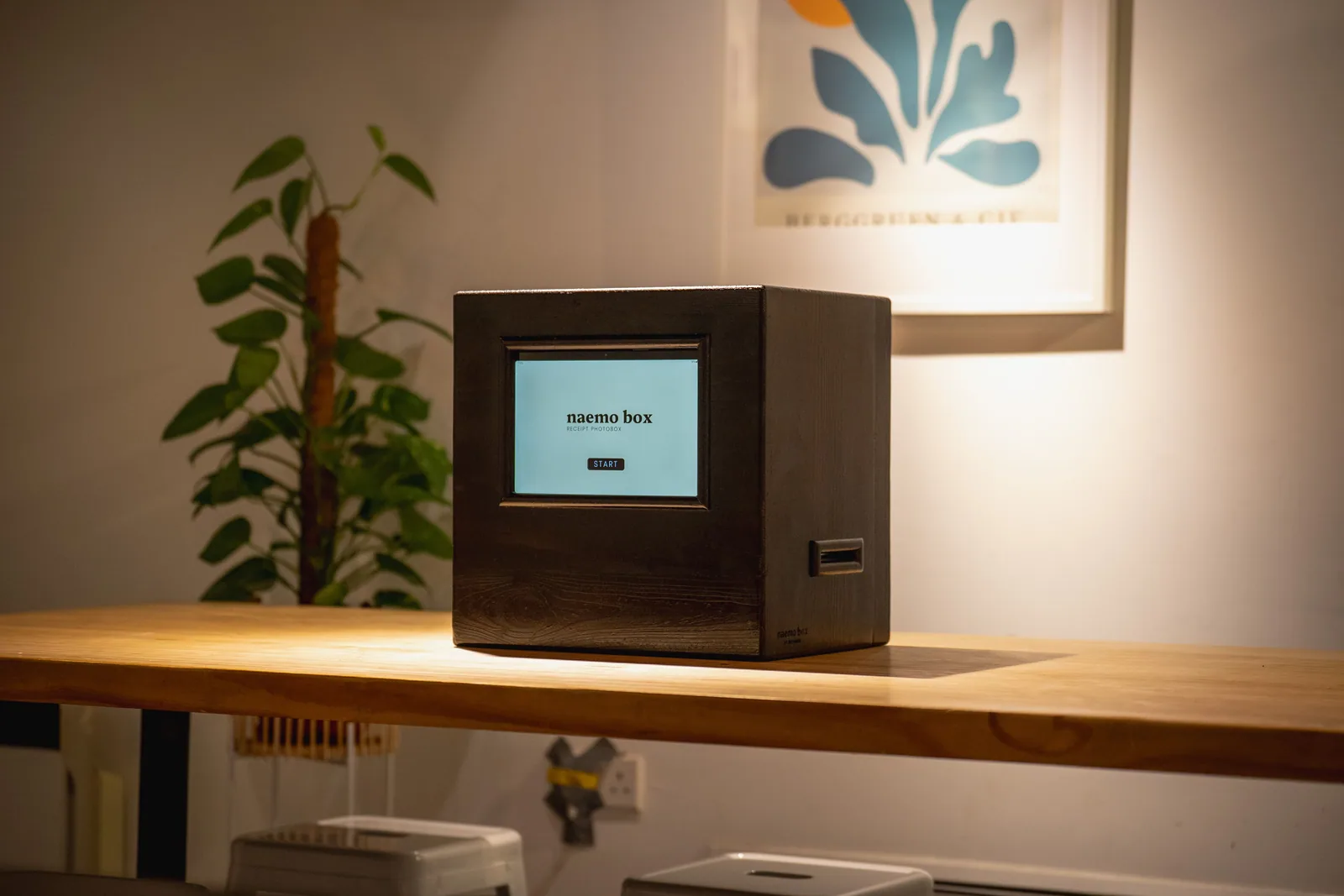
The best locations share three things.
Places that often tick all three boxes:
Do not rely on the venue's own traffic figures alone. Spend time on site.
A quiet spot cannot be fixed with a better machine. It is worth taking a week to get this right.
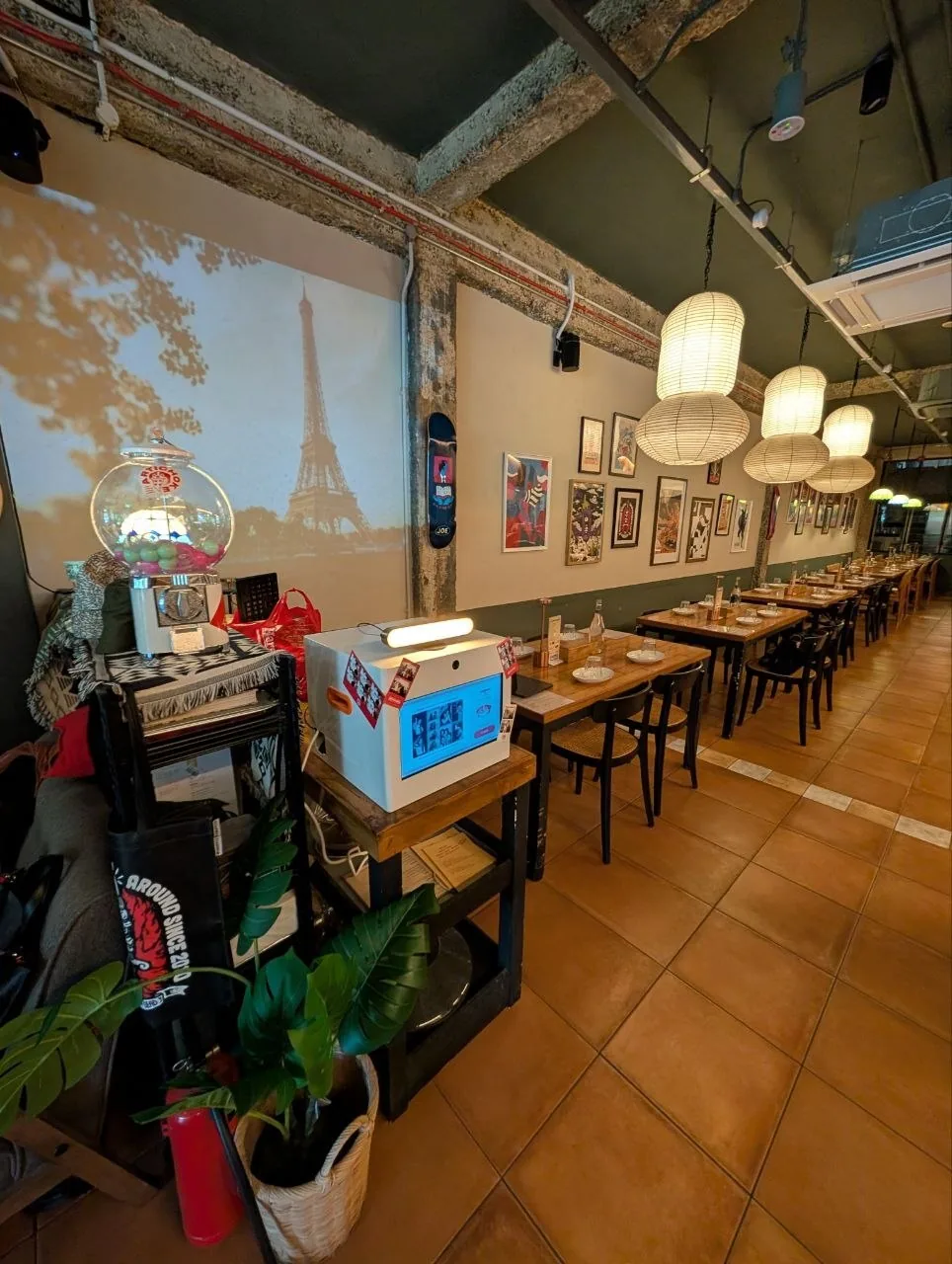
Before you sign a lease or venue agreement, confirm these.
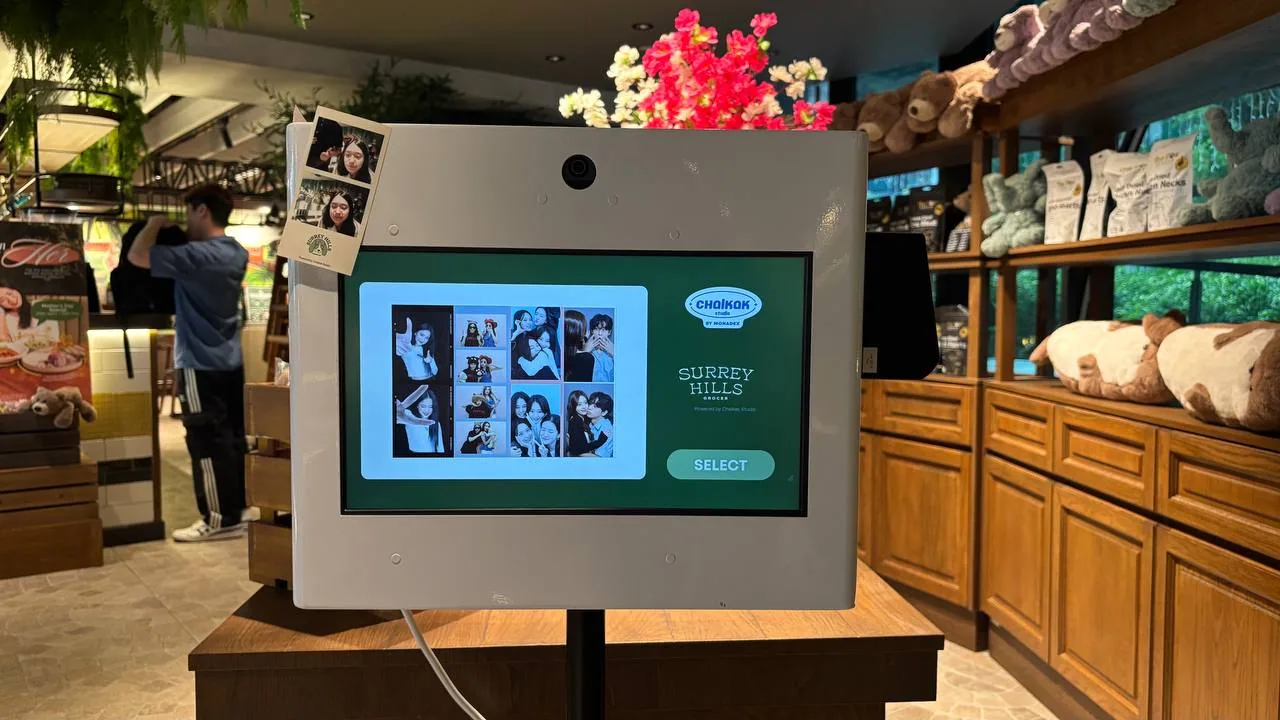
Once you have a location, you need a deal with the venue. There are two common models, and plenty of hybrids.
You pay the venue a set amount each month, whatever the booth takes.
The venue takes an agreed percentage of what the booth earns, usually of gross session revenue.
Where a deal lands depends on the venue's traffic, how much space and support it gives, and who supplies and maintains the machine. Busier, higher-profile venues ask for more.
Some venues ask for a small fixed fee plus a lower percentage, or a revenue share with a minimum monthly guarantee. These can work well, but model them before you agree.
Use a simple monthly calculation for each option:
Monthly profit = (sessions per day × price per session × days open) − consumables − location cost − payment fees
Run it for a slow month, an average month and a busy month. Then compare how fixed rent and revenue share affect each. Our article on photo booth ROI has a worked example, and our free financial template lets you plug in your own numbers.
Three things to agree in writing, whichever model you choose:
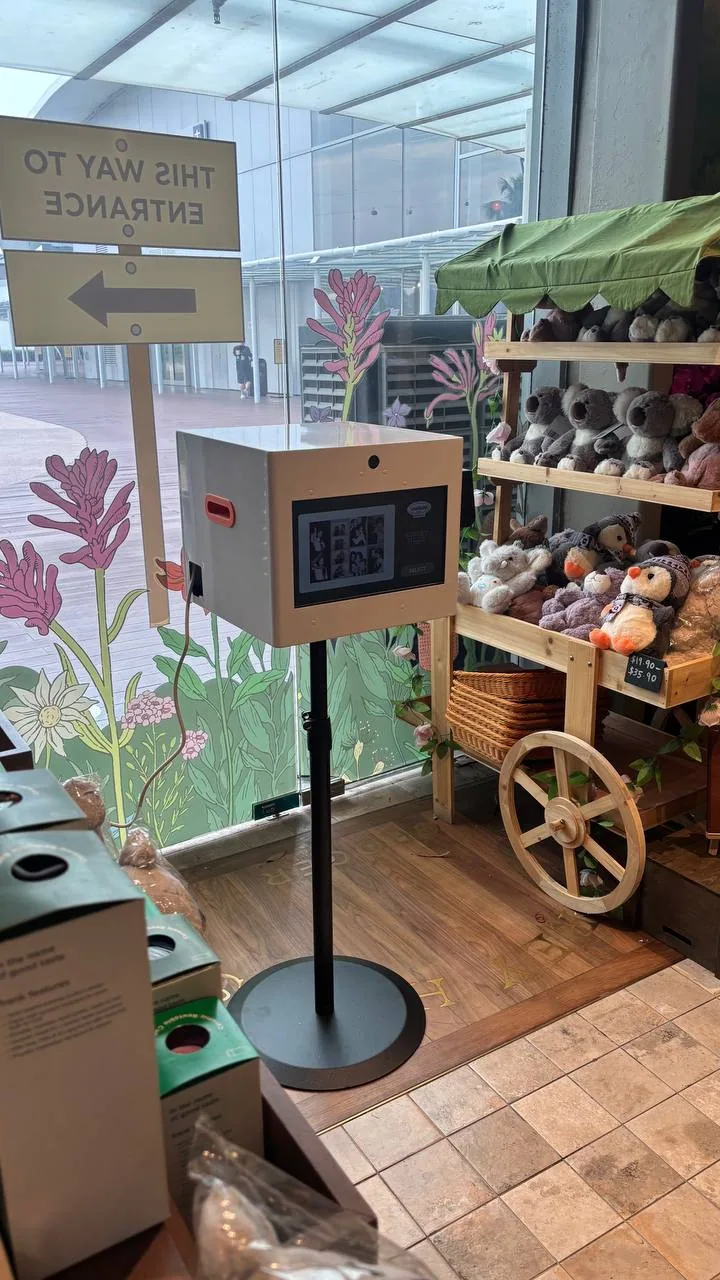
Not every venue wants to own and run a machine. In Singapore, we place and run Raon booths in venues on a revenue-share basis: we supply the booth and keep it stocked and monitored, and the venue provides the space and power. Venues get a new attraction and a share of sales with minimal setup costs. If you run a café, shop, mall unit or attraction, see our venue partnership.
If you would rather own the machine yourself, a compact kiosk-style model is often the easiest fit for a venue with limited space.
It depends on the venue's traffic and what it provides. Busier, higher-profile venues ask for a bigger share. Model the deal for a slow, an average and a busy month before you agree.
Once you know your location, choosing a machine is the easy part. Compare types of photo booths, see machines and prices, or get a written quote. Venue owners in Singapore can host a Raon booth.
The formula for photo booth ROI and payback, with a worked example. See which numbers matter most: sessions, price, venue share and running costs.
Read article →
A week-by-week plan for starting a photo booth business: model, location, machine choice, budget, ordering and launch. Includes a 20-question checklist.
Read article →
A step-by-step guide to starting a Korean-style photo booth business: machine types, payments, running costs, locations, profit maths and supplier checks.
Read article →