How to Price Photo Booth Sessions
How much to charge per photo booth session: set a base price, add extra prints and premium formats, use vouchers well, and adjust from real sales data.
Read article →
Chalkak Studio
By the Chalkak Studio team · 27 September 2026
Walk through almost any neighbourhood in Seoul and you'll pass a self-photo studio: a bright room with a few booths, a wall of props, a mirror, and groups of friends coming out with fresh strips. Over the past few years that format has travelled. Korean-style photo booths now sit in cafés in Chicago, beauty pop-ups in Europe and stores in the Philippines.
We design and supply Korean-style photobooths from Singapore to businesses in 30+ countries, so we've watched this spread from the inside. This article looks at what the search data says, why the format works, and what we think comes next.
Google search demand is a useful way to see a trend without relying on hype. Here's US monthly search volume from Google Keyword Planner for a few of the terms we track:
| Search term (US, monthly) | Jul 2022 | Peak | Jun 2026 |
|---|---|---|---|
| "photobooth" | 74,000 | 135,000 (Sep 2025) | 110,000 |
| "korean photo booth" | 320 | 1,300 (Jul 2024) | 880 |
| "high angle photobooth" | 0 | 720 (Jul 2025) | 320 |
Source: Google Keyword Planner, US monthly searches.
Three things stand out.
The category grew a lot. Searches for "photobooth" rose by nearly half between 2022 and mid-2026, even after easing from the 2025 peak.
"Korean photo booth" became its own thing. In 2022 very few Americans searched for it by name. Two years later it was around four times higher. People weren't just looking for a photo booth; they were looking for this specific style.
Formats have life cycles. "High angle photobooth" didn't register as a search in 2022, peaked in 2025 and is already cooling. That's a useful reminder for operators: build your business on the experience, not on one buzzword.
A Korean-style studio isn't a booth in a corridor. It's a place you go with friends. You pick props, check your hair in the mirror, choose a frame, take your shots and leave with something to keep. The photo is the souvenir of an outing.
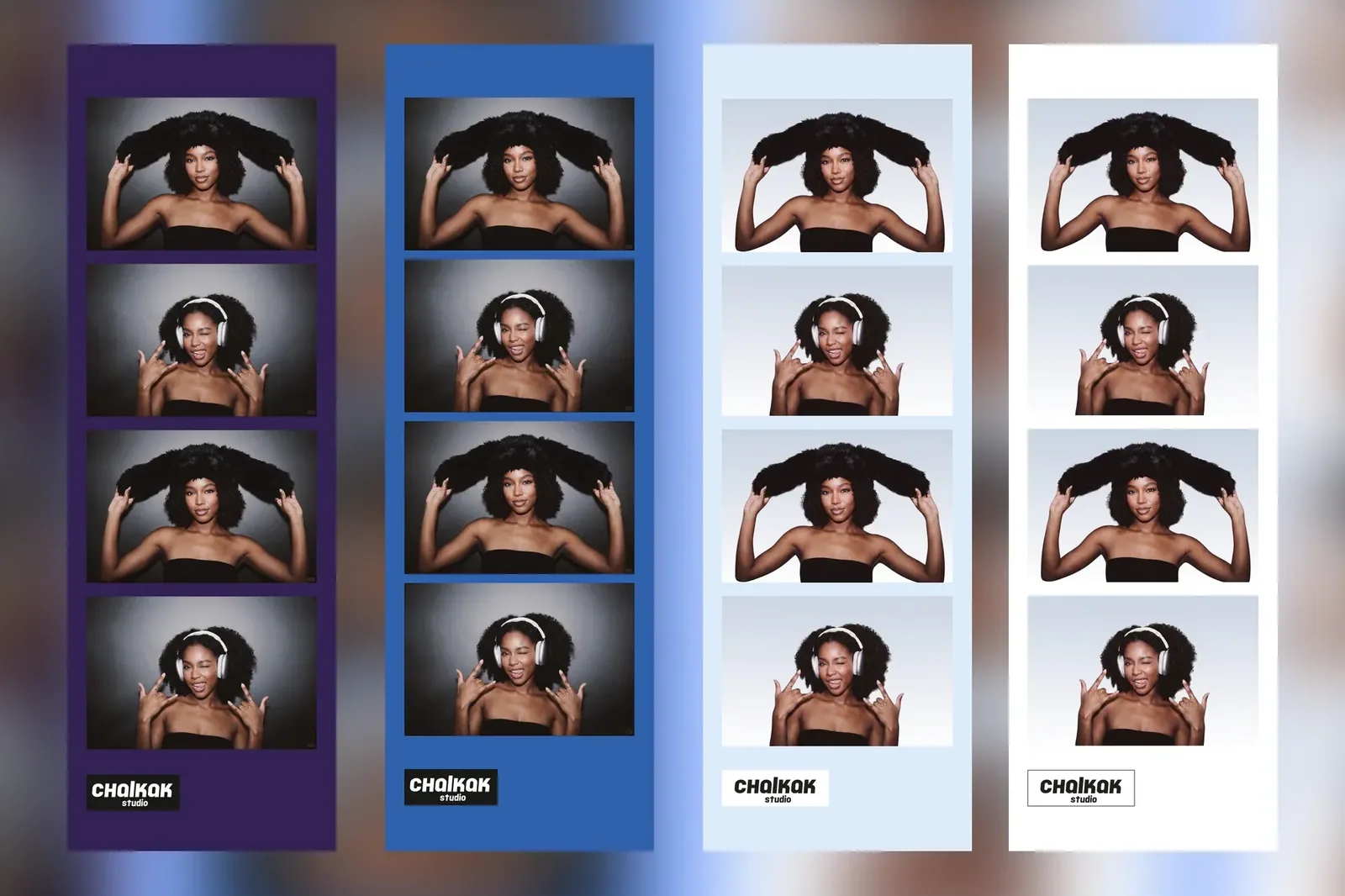
Korean booths brought studio thinking to a self-service machine: bright, even lighting, a good camera and controlled exposure. The results look closer to a studio portrait than the grainy strips many people remember, sitting somewhere between retro and digital and taking the best of both.
People take thousands of photos on their phones and look at very few of them again. A printed strip is different. It goes in a wallet, on a fridge, behind a phone case. The same shift that brought back film cameras and vinyl brought people back to prints.
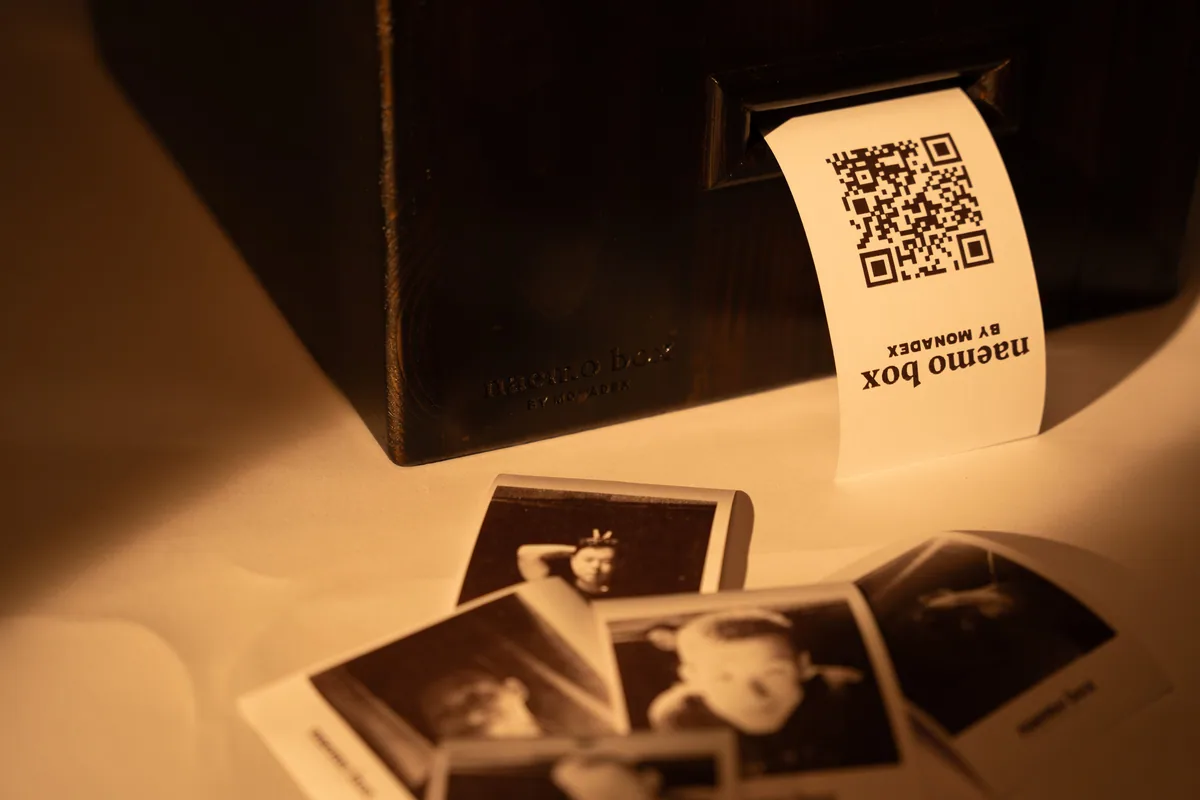
Every session produces two things: a print to keep and a QR code for the digital copy. The print is the keepsake, and the digital file goes straight to Instagram and TikTok. For a business, every post is free advertising with your name in the frame.
K-pop, K-dramas and K-beauty made Korean everyday culture familiar far beyond Korea. For many fans, a Korean photo booth is a small, affordable way to take part in that culture wherever they live.
The format now works well beyond dedicated studios. A few examples from businesses running our booths:
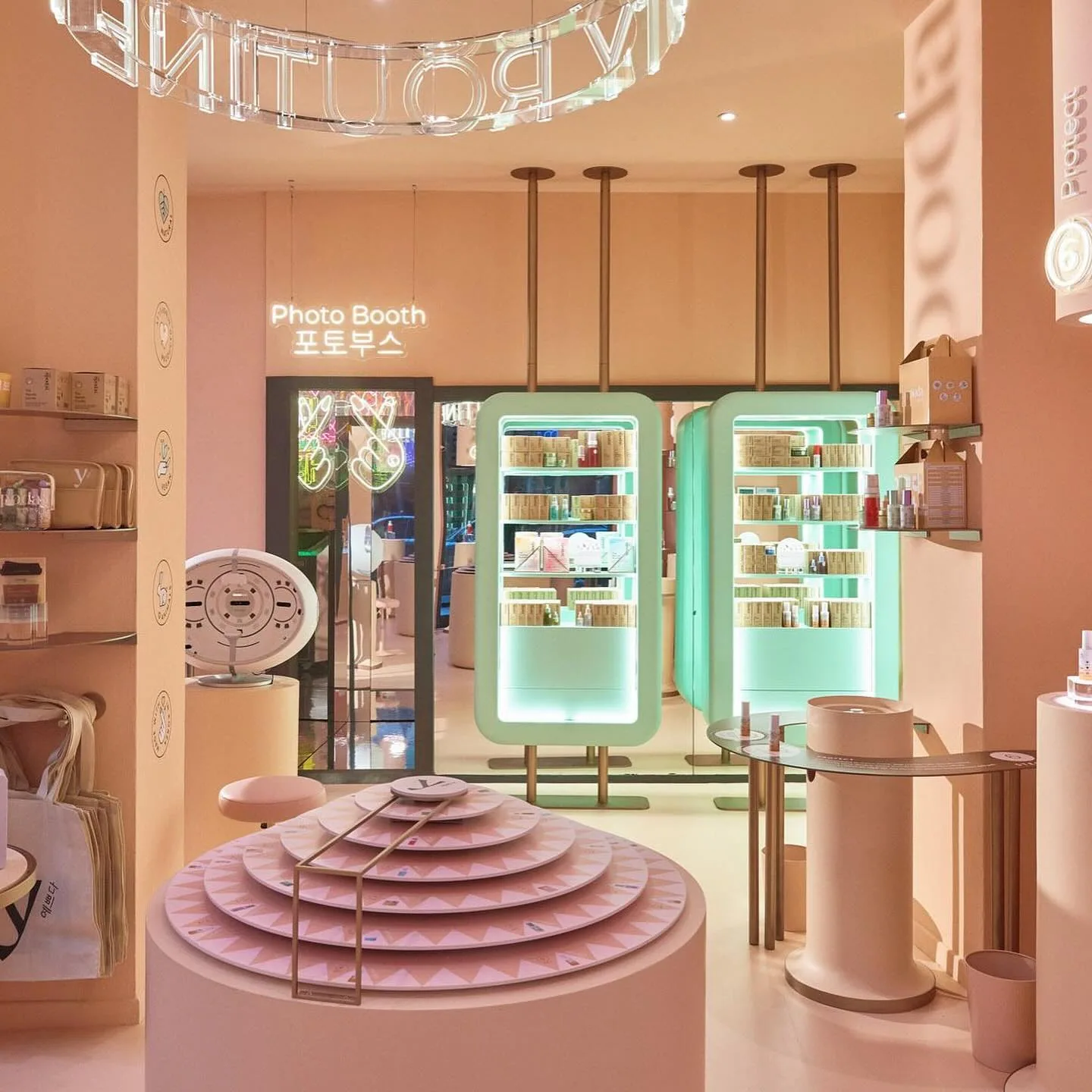
The common thread: each business already had customers taking photos. The booth gave that habit a place to happen and put the brand's name on the result. See more on our clients page.
Based on what we see in our own installations and events, here's where we think the Korean photobooth trend is heading.
Strips are just the start. Guests increasingly want things they can collect and trade: mini strips that fit behind a phone case, lenticular prints that move when you tilt them, magnets, photo buttons and trading cards. We've printed collectible trading cards for conference guests in Singapore, and every card became a conversation starter. Expect studios to rotate formats the way cafés rotate seasonal menus.
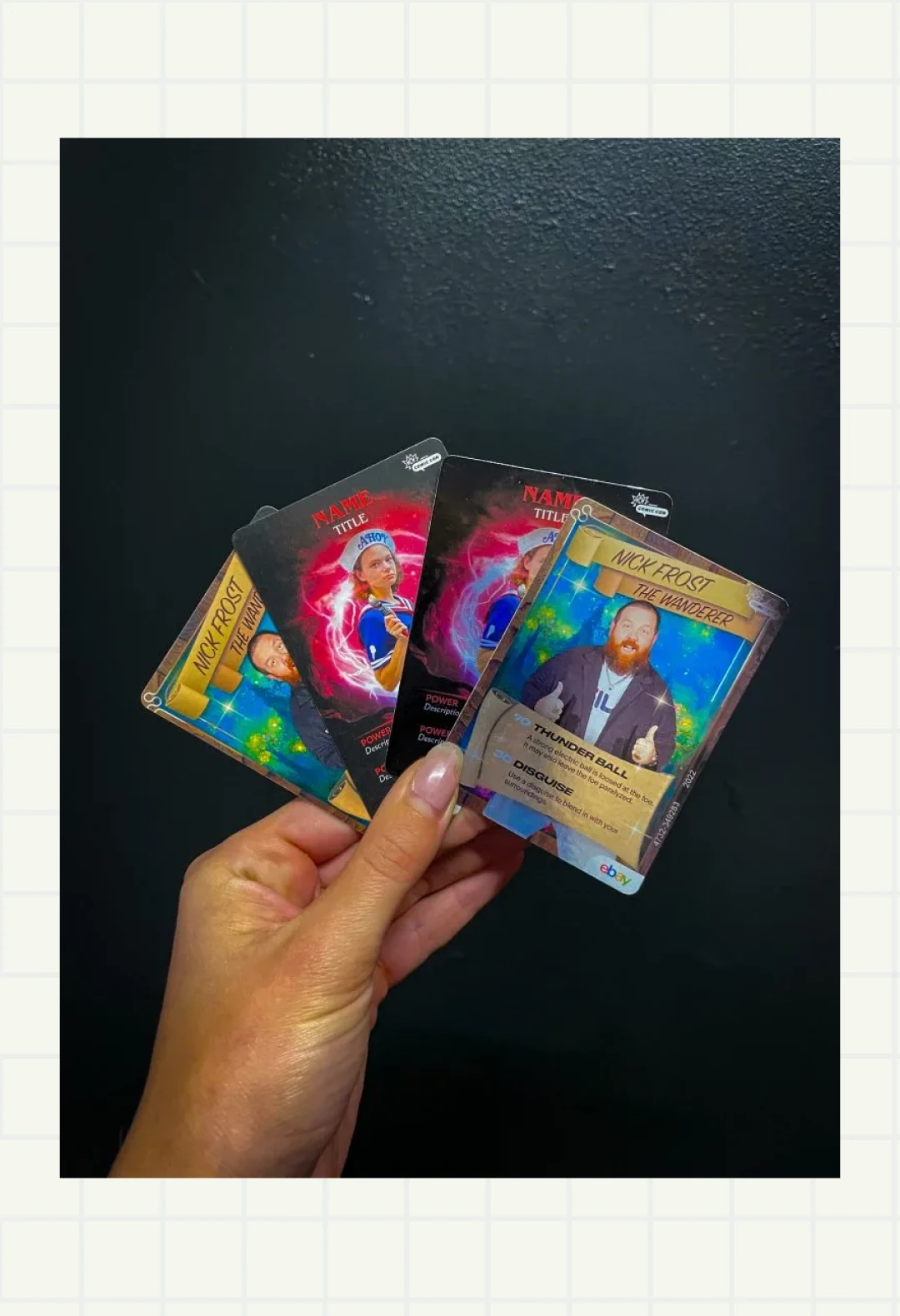
Custom frames for birthdays, holidays, collaborations and local events keep regulars coming back. Operators who change frames often give people a reason to return. Our frame design guide covers how.
AI styles and retouching are arriving in booths, but the photos that sell best still look like the people in them. We expect AI to be an optional extra, not a replacement for good lighting.
The next step is spaces built around the experience itself. In Singapore we're creating Chalkak Collective, Asia's first photobooth museum, with themed stations and a passport you stamp as you go. You can take the 360° tour now.
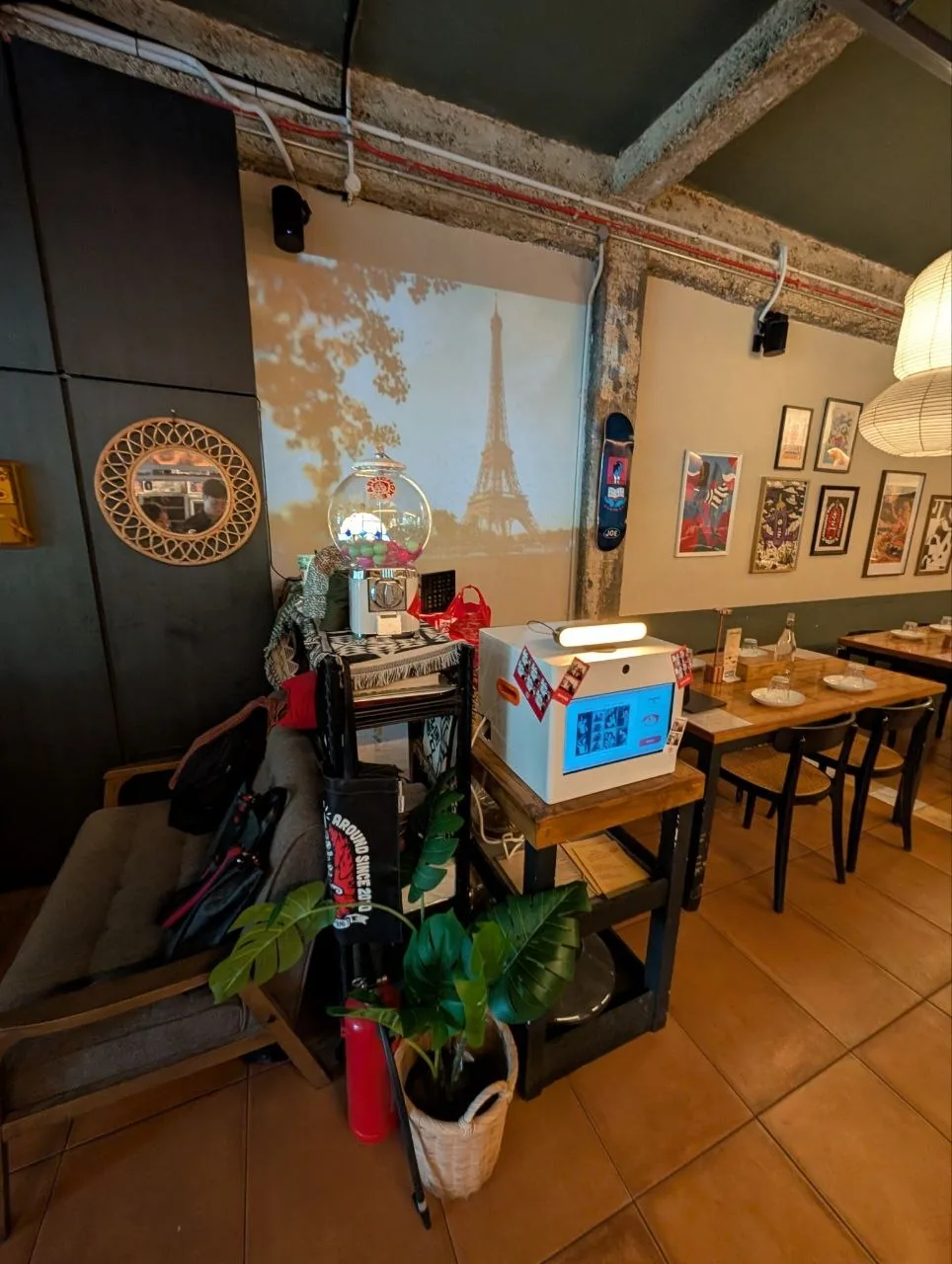
Search demand grew first in big cities with large K-culture audiences. It's now spreading to smaller cities, malls and tourist spots where the format is still new. Being the first Korean-style booth in your area is a real advantage: May Film opened the first photobooth studio in its city, Adelaide, with three of our machines.
A self-service booth with studio-style lighting, a good camera and a touchscreen where customers choose frames and filters, then get a print and a digital copy.
Download our free marketing and design guide for photo booth businesses, read our Korean photo booth business guide, or tell us about your venue and we'll suggest a setup.
How much to charge per photo booth session: set a base price, add extra prints and premium formats, use vouchers well, and adjust from real sales data.
Read article →
How to design photo booth frames that print cleanly and sell sessions: layouts, file checks, seasonal drops and event frames, from the Chalkak Studio team.
Read article →
A practical daily, weekly and monthly maintenance checklist for unattended photo booths, from a team that runs its own booths in Singapore.
Read article →