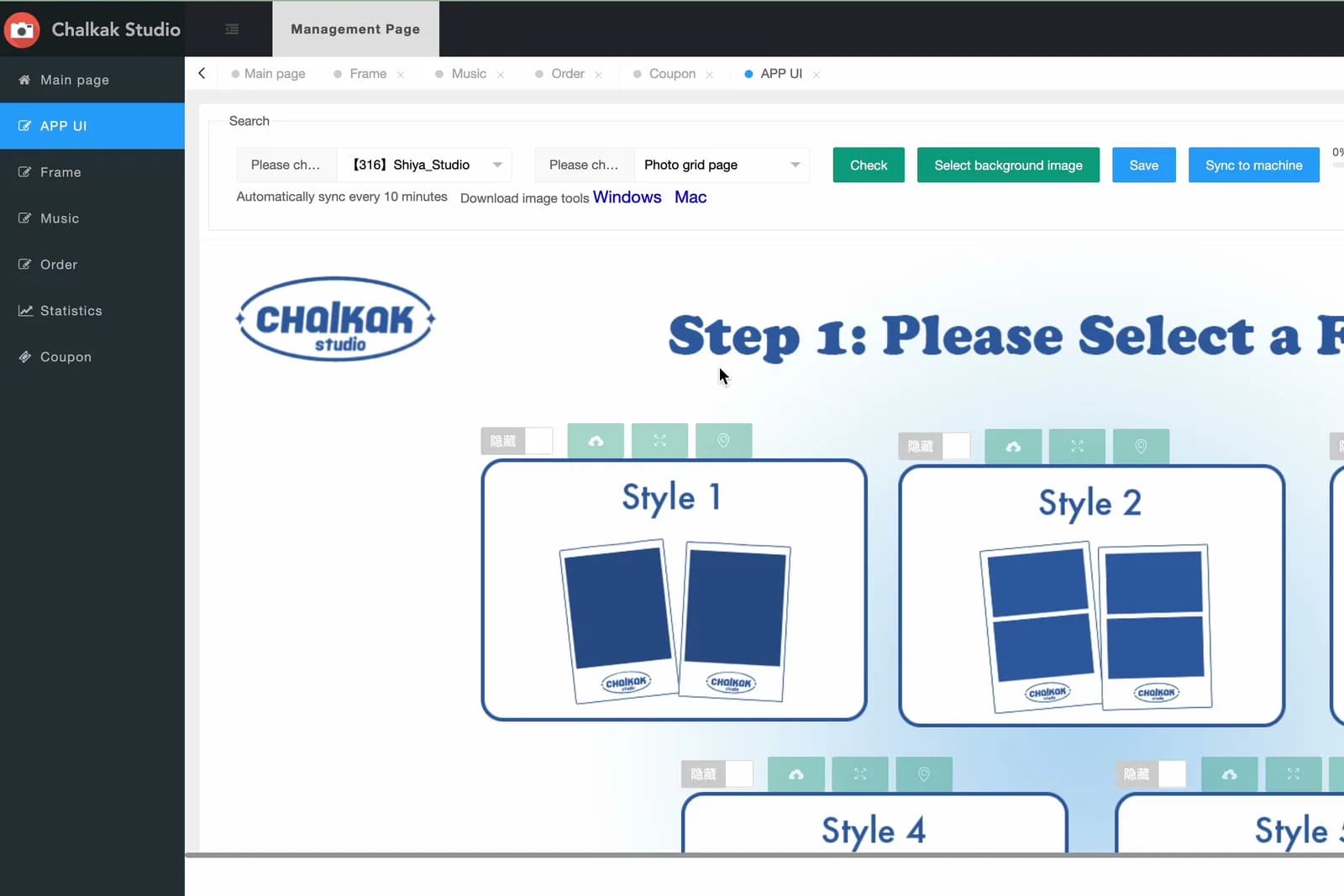
Photo Booth Frame Design: A Practical Guide
How to design photo booth frames that print cleanly and sell sessions: layouts, file checks, seasonal drops and event frames, from the Chalkak Studio team.
Read article →
Chalkak Studio
By the Chalkak Studio team · 30 September 2026
"How much should I charge?" is one of the questions we hear most from new operators, right after "how much does the machine cost?". There is no single right number. The price that works in a Manila mall is not the one that works in a Chicago café or a London bar. What does work everywhere is a method: set a sensible starting price, give customers clear ways to spend a little more, and adjust from real sales data.
This guide walks through that method. It applies to any Korean-style booth, whether you run one machine in a café or a full self-photo studio.
Your price is set by your market, not by the machine. Before you open:
Your starting price should sit comfortably within what your customers already spend on small treats and experiences in that location.
Price is not only about what customers will pay. You need to know what each session costs you:
Consumables are usually the smallest cost. Location is usually the largest. That is why pricing and your venue deal should be worked out together.
The best-performing booths keep the menu short. Customers decide in seconds, standing in front of a screen, often in a group.
One session, a set number of shots, one print (or one per person on some layouts), plus a QR code for digital copies. This is your headline price and the number most people see first.
Groups want one strip each. Charging a small amount for each additional print is the easiest upsell there is, and customers rarely see it as a price increase.
If your booth has a second print format, such as a big-frame strip, lenticular or translucent film, price it above the base session. These formats cost more to produce and customers see them as special.
Some operators offer premium digital outputs, such as full-resolution files, GIFs or timelapse video, as a small add-on. Others include them free to encourage sharing. Both work. What matters is that customers understand what they get.
Vouchers are one of the most useful tools in the Chalkak software, and one of the easiest to misuse.
Use them to:
Avoid:
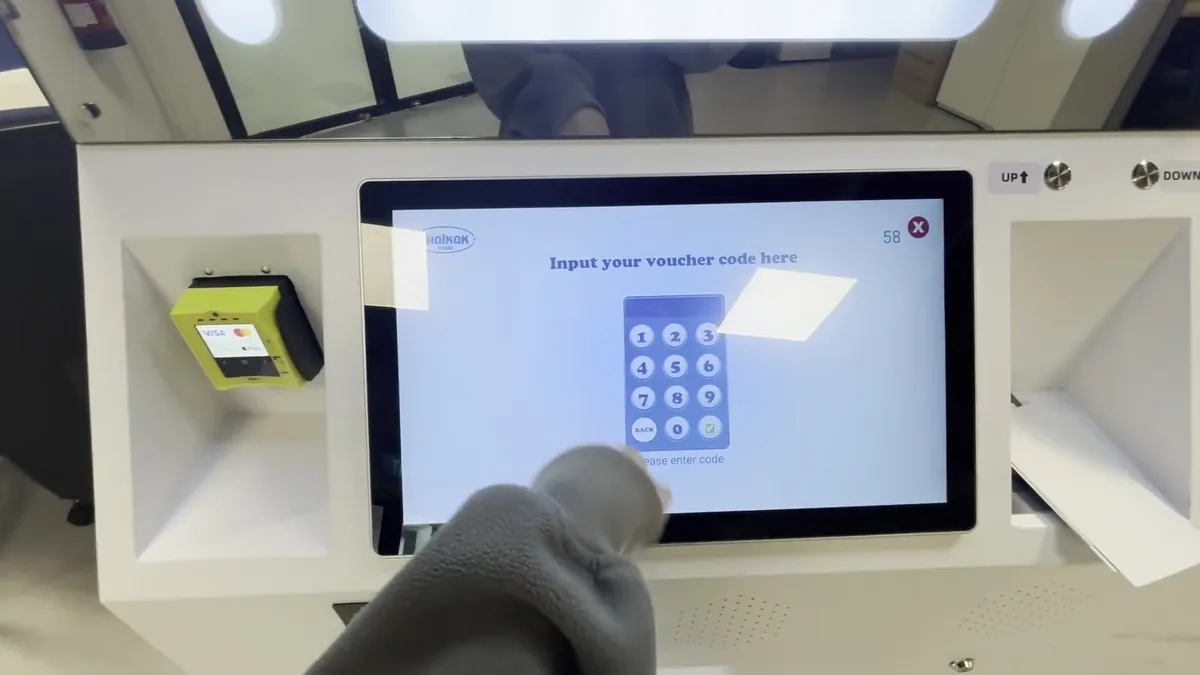
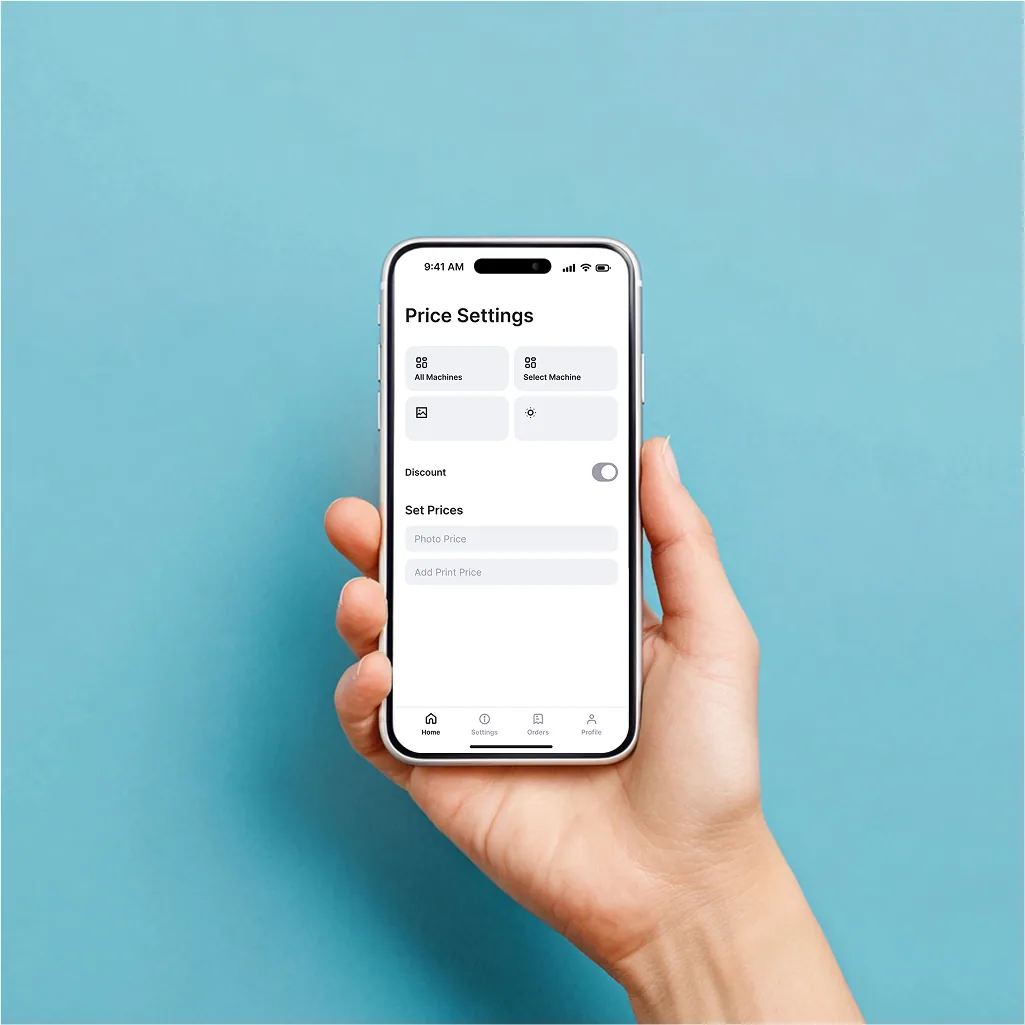
Because prices can be changed remotely, you do not need one price all year.
Change one thing at a time so you can see what worked.
Your first price is an educated guess. The data tells you the real answer.
A small rise that customers accept is worth more over a year than a big promotion. Because you can change prices from your phone, testing costs you nothing but patience.
Enough to sit within what your customers already spend on small treats and experiences nearby, while covering consumables, payment fees and your venue cost. Start there and adjust from your sales data.
Plug your own prices, footfall and venue terms into our free financial template, read our article on photo booth ROI, then compare machine prices and get a written quote.
How to design photo booth frames that print cleanly and sell sessions: layouts, file checks, seasonal drops and event frames, from the Chalkak Studio team.
Read article →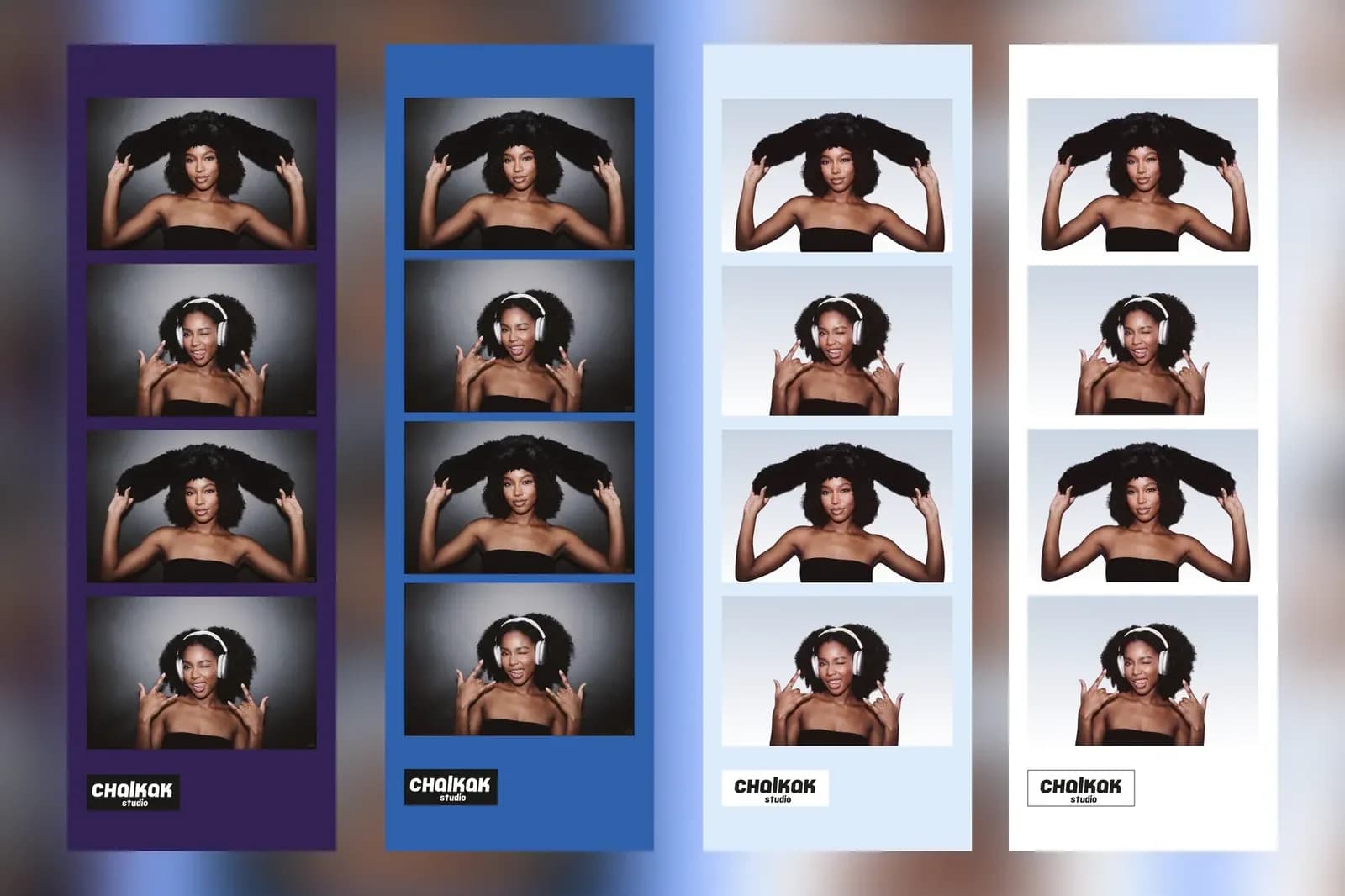
Why Korean-style photo booths spread worldwide, what US search data shows, and the formats coming next, with examples from Chicago, Europe and the Philippines.
Read article →
A practical daily, weekly and monthly maintenance checklist for unattended photo booths, from a team that runs its own booths in Singapore.
Read article →